
The Art of Minimalism in Everyday Life
- The Greater Good
- 4 days ago
- 4 min read

Minimalism is more than just a design aesthetic; it’s a lifestyle choice that can lead to greater clarity, peace, and fulfillment. In a world filled with distractions and excess, embracing minimalism can help us focus on what truly matters. This blog post will explore the principles of minimalism, its benefits, and practical steps to incorporate it into your daily life.
Understanding Minimalism
What is Minimalism?
At its core, minimalism is about simplicity. It encourages individuals to strip away the unnecessary and focus on the essential. This philosophy can be applied to various aspects of life, including home decor, personal belongings, and even mental space. Minimalism is not just about owning fewer things; it’s about making room for what truly adds value to your life.
The Philosophy Behind Minimalism
Minimalism is rooted in the idea that less is more. By reducing clutter and distractions, we can create a more peaceful environment that fosters creativity and mindfulness. This philosophy encourages us to evaluate our possessions and commitments, leading to a more intentional way of living.
Benefits of Embracing Minimalism
Enhanced Focus and Clarity
One of the most significant benefits of minimalism is the clarity it brings. When you eliminate distractions, you can concentrate better on your goals and passions. A clutter-free environment can lead to a clutter-free mind, allowing for improved productivity and creativity.
Reduced Stress and Anxiety
A minimalist lifestyle can significantly reduce stress levels. Clutter can be overwhelming, and the constant visual noise can lead to anxiety. By simplifying your surroundings, you create a calming atmosphere that promotes relaxation and peace of mind.
Financial Freedom
Minimalism often leads to smarter financial choices. By prioritizing experiences over material possessions, you can save money and reduce debt. This shift in mindset encourages you to invest in what truly matters, such as travel, education, or personal development.
Improved Relationships
When you focus on quality over quantity, your relationships can flourish. Minimalism encourages deeper connections with others by allowing you to invest time and energy into meaningful interactions rather than spreading yourself too thin.
Practical Steps to Incorporate Minimalism
Declutter Your Space
Start by evaluating your belongings. Go through each room and ask yourself what you truly need and what adds value to your life. Consider the following steps:
Set a Timer: Dedicate a specific amount of time to decluttering each day. This prevents overwhelm and keeps the process manageable.
Use the Four-Box Method: Label four boxes as "Keep," "Donate," "Sell," and "Trash." Sort your items accordingly.
One In, One Out Rule: For every new item you bring into your home, consider removing one item. This helps maintain balance and prevents clutter from accumulating.
Simplify Your Schedule
Evaluate your commitments and prioritize what truly matters. Consider these strategies:
Learn to Say No: It’s okay to decline invitations or responsibilities that don’t align with your values or goals.
Limit Screen Time: Reduce time spent on social media and other digital distractions. Set specific times for checking emails or browsing the internet.
Create a Daily Routine: Establish a simple daily routine that includes time for self-care, work, and relaxation. This structure can help you stay focused and organized.
Mindful Consumption
Adopting a minimalist mindset also involves being intentional about what you consume. Here are some tips:
Research Before Buying: Before making a purchase, consider whether the item is necessary and how it will enhance your life.
Invest in Quality: Choose high-quality items that will last longer rather than cheap, disposable products. This not only reduces waste but also saves money in the long run.
Practice Gratitude: Regularly reflect on what you have and express gratitude for it. This can shift your focus from wanting more to appreciating what you already possess.
Minimalism in Different Areas of Life
Home Decor
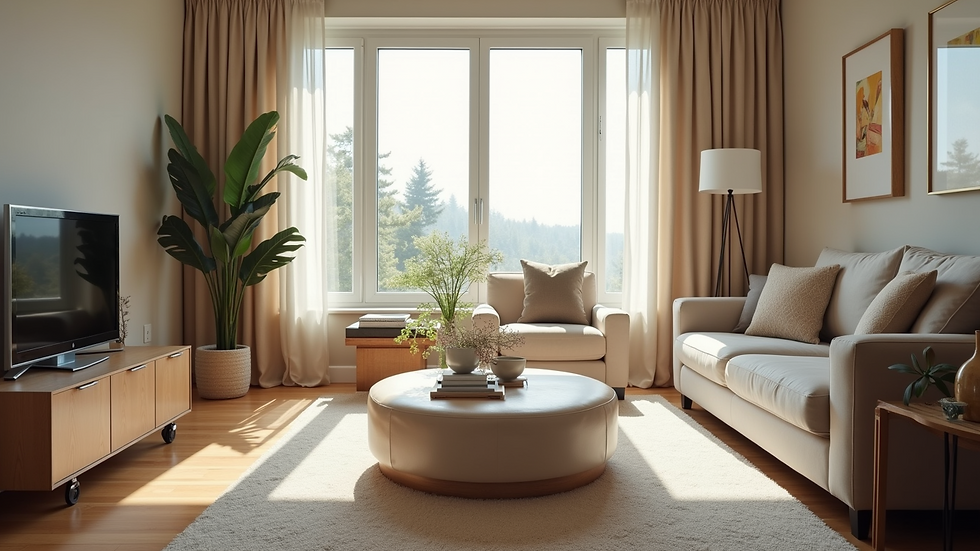
A minimalist home is characterized by clean lines, neutral colors, and functional furniture. Here are some ideas to create a minimalist space:
Choose a Neutral Palette: Opt for a color scheme that promotes calmness, such as whites, grays, and soft earth tones.
Limit Decorative Items: Select a few meaningful pieces of art or decor that resonate with you, rather than filling your space with numerous items.
Embrace Natural Light: Keep windows unobstructed to allow natural light to flow into your home, creating an open and airy atmosphere.
Wardrobe
A minimalist wardrobe focuses on versatility and quality. Consider these tips for a simplified closet:
Capsule Wardrobe: Create a capsule wardrobe with a limited number of versatile pieces that can be mixed and matched. This reduces decision fatigue and simplifies your daily routine.
Quality Over Quantity: Invest in high-quality clothing that fits well and lasts longer, rather than buying fast fashion items that wear out quickly.
Regularly Assess Your Wardrobe: Periodically go through your clothes and remove items you no longer wear or love.
Digital Minimalism
In today’s digital age, it’s essential to practice digital minimalism. Here’s how:
Organize Your Files: Keep your digital files organized and delete unnecessary documents. Use folders to categorize important information.
Limit Notifications: Turn off non-essential notifications on your devices to reduce distractions and improve focus.
Unsubscribe from Emails: Regularly unsubscribe from newsletters and promotional emails that clutter your inbox.
Overcoming Challenges in Minimalism
Emotional Attachment
Letting go of possessions can be emotionally challenging. Here are some strategies to help:
Reflect on Memories: Acknowledge the memories associated with items but recognize that they can exist without the physical object.
Focus on the Future: Consider how decluttering can lead to a more fulfilling and intentional life. Visualize the benefits of a minimalist lifestyle.
Fear of Missing Out (FOMO)
FOMO can make it difficult to embrace minimalism. Combat this by:
Reevaluating Your Values: Reflect on what truly matters to you and align your choices with those values.
Practicing Mindfulness: Stay present and appreciate the experiences you have rather than worrying about what you might be missing.
Conclusion
Embracing minimalism can lead to a more intentional, fulfilling life. By simplifying your surroundings, commitments, and consumption, you can create space for what truly matters. Start small, and gradually incorporate minimalist principles into your daily routine. Remember, minimalism is a journey, not a destination. Take the first step today and discover the freedom that comes with living a simpler life.
By focusing on quality over quantity, you can cultivate a lifestyle that promotes clarity, peace, and genuine happiness. What will you choose to simplify today?


Comments